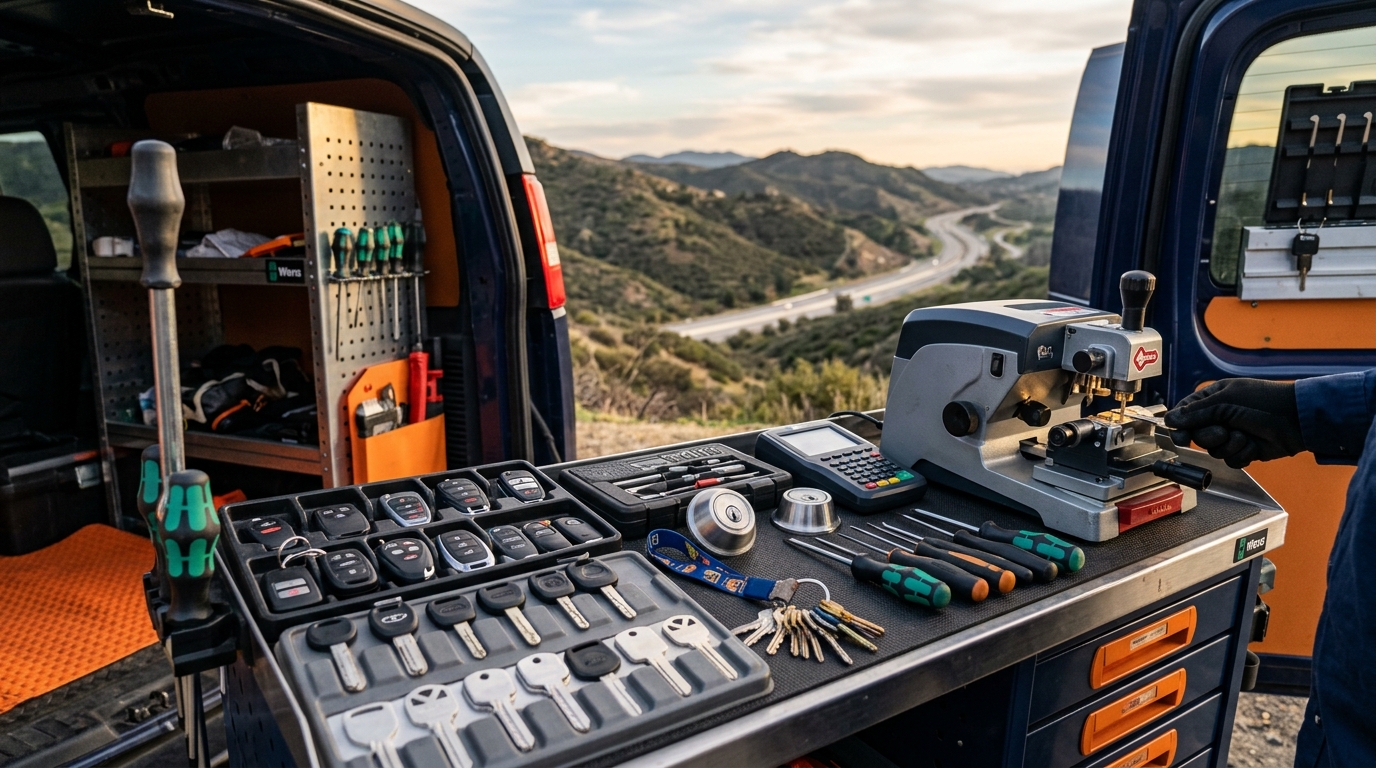
For I-15 Area Guidance for Locksmith Requests, the first useful step is not guessing a price from a generic list. The better path is to describe the lock, key, door, safe, or vehicle behavior in plain language. San Diego County, CA has coastal neighborhoods, inland routes, apartment buildings, mixed-use districts, tourist zones, and commuter corridors with very different access details. That is why this page keeps returning to safe observations, proof of authorization when needed, and a clear phone path at (619) 848-0508.
Customers often call after something already changed: a key stopped turning, a latch stopped catching, a fob stopped responding, a door was left unsecured, or a lockout blocked access. The details that matter are the location, the object involved, whether anyone is inside or outside safely, and whether a temporary workaround is creating more risk.
A trustworthy quote conversation separates symptoms from assumptions. A sticking lock can be a worn key, a misaligned strike, a damaged cylinder, a weather-swollen door, or a hardware choice that no longer matches the use of the property. A vehicle issue can involve the key blade, fob, transponder, ignition cylinder, door lock, or battery state.
San Diego service planning also depends on where the request happens. Parking lots near beach areas, apartment garages, business suites, hillside homes, military-adjacent housing, airport-area lots, and inland shopping centers all create different access and verification questions. The page is written to help callers gather those details before pressure builds.
The safest information to prepare is simple: the city or neighborhood, callback phone, type of lock or key, whether the door or vehicle is secure, whether an ID or ownership document is available, and what has already been tried. Photos can help when they are safe to take, but the customer should not dismantle hardware or force a stuck mechanism.
Some locksmith requests are urgent, but urgency is not a reason to skip verification. A careful dispatcher should still ask what the customer can confirm, what the site condition is, and which access point needs attention. This protects the customer, the property, and the technician from starting the wrong job with incomplete facts.
Price depends on scope, parts, access, and the actual condition found. Rekeying, replacing a lock, opening a vehicle, cutting a key, programming a fob, helping with a safe, or assessing a business door can all require different tools and checks. This page gives planning context without promising one flat result for every situation.
If the issue involves a rented property, workplace, shared building, vehicle, safe, or controlled access point, authorization matters. Have the right person available when possible. That can mean the owner, tenant, property manager, driver, business contact, or safe owner, depending on the request. The site avoids claims that would bypass that reality.
Use the page as a call checklist. Say what happened, where it happened, what type of lock, key, door, safe, or vehicle is involved, and whether the opening is currently secure. If a person, pet, business operation, or vehicle is affected, say that early so the conversation can start with the right risk level.
The strongest next step for I-15 Area Guidance for Locksmith Requests is to call (619) 848-0508. The call can confirm whether the request is a lockout, rekey, repair, replacement, car key, ignition, safe, or business-door question. The form is better for non-urgent planning notes when the customer can describe the issue calmly and include the service area.
This site uses the same visible identity across the pages: Locksmith San Diego, (619) 848-0508, info@locksmithsandiego.com, and locksmithsandiego.com. It does not add fake ratings, fake arrival promises, fake storefront claims, or unverified hours. The page focuses on what a San Diego customer can safely know before asking for help.
Good locksmith content should reduce confusion, not create pressure. That means explaining what information helps, what not to force, when proof of ownership may be requested, why different hardware changes the scope, and how to move from a vague problem to a service conversation without inventing facts that only an on-site assessment could confirm.
A useful I-15 Area Guidance for Locksmith Requests page also explains what the customer should not do. Do not keep twisting a key that is already bending, do not pry a door or trunk, do not disassemble a smart lock while it is powered, and do not share access details with anyone who is not part of the service request.
Many San Diego properties have layered access: a street gate, lobby, elevator, suite door, garage, mailbox, safe, vehicle, or interior room. When the request involves more than one access point, list them in order. That helps the call focus on the actual blocker instead of treating the whole property as one generic lock problem.
For vehicles, the useful details are make, model, year, key type, whether the key is lost or present, whether the battery is working, and whether the issue is at the door, trunk, ignition, or fob. For homes and businesses, door material, lock style, latch behavior, and recent key changes are often more useful.
The page avoids pretending that every locksmith request is the same. A lockout is different from a rekey. A rekey is different from replacing hardware. A stuck ignition is different from a lost fob. Safe access is different from a residential door. Naming the difference makes the next step more accurate.
San Diego County, CA traffic and access conditions can change the call path too. A request near the airport, a beach lot, a downtown garage, a hillside home, or an inland business park may need different directions and parking notes. The caller should mention access constraints early when they are relevant.
Good preparation also protects privacy. Share only the details needed to understand the lock or key problem. Keep payment, ID, vehicle, safe, and property documents secure until they are needed for proper authorization. The site gives service guidance, not a reason to expose sensitive information in a public form.
If the customer is comparing options, the right comparison is not just price. It is whether the request is understood, whether authorization is respected, whether the proposed path fits the lock or key type, and whether the customer knows what information will be needed before work starts.
Use the contact form when the request can wait and the details are easier to write down. Use the phone when access, safety, business operations, vehicle use, or property security is affected now. Both paths should preserve the same verified business identity and keep the customer from guessing.
Before ending the visit, the page should leave the reader with one grounded action: gather the location, describe the access problem, keep proof of authorization available, and contact Locksmith San Diego through the visible phone or form. That is the practical value this I-15 Area Guidance for Locksmith Requests page is meant to provide.
The final check is consistency. The same phone, domain, service-area posture, and truth-safe claims should appear in the header, body, footer, form path, and structured data. When a page stays consistent, a visitor can move from reading to calling without wondering whether they landed on the wrong locksmith site.
That consistency matters most when someone is stressed. Lock, key, safe, and vehicle access problems can make people rush. This page is intentionally direct: understand the issue, avoid damaging the hardware, prepare the right details, and use the visible contact path for the next step.
For low-information requests, a short written note can prevent missed details. Include the page topic, nearest cross streets if comfortable, the lock or key type, whether the access point is residential, vehicle, business, or safe-related, and whether the issue is about opening, changing, copying, programming, or repairing.
Do not keep testing a failing key or lock until it breaks further. If the key starts bending, the cylinder feels gritty, the door needs lifting to latch, or the fob works only sometimes, stop and describe that behavior. A clear symptom can save time and prevent a small issue from becoming a harder access problem.
- Current page topic: I-15 Area Guidance for Locksmith Requests.
- Primary customer action: call (619) 848-0508 with the location and symptom.
- Safe details to prepare: lock type, key behavior, access point, authorization, and whether the opening is secure.
- Avoid forcing hardware, bypassing sensors, dismantling locks, or guessing at restricted access.
 Locksmith San Diego